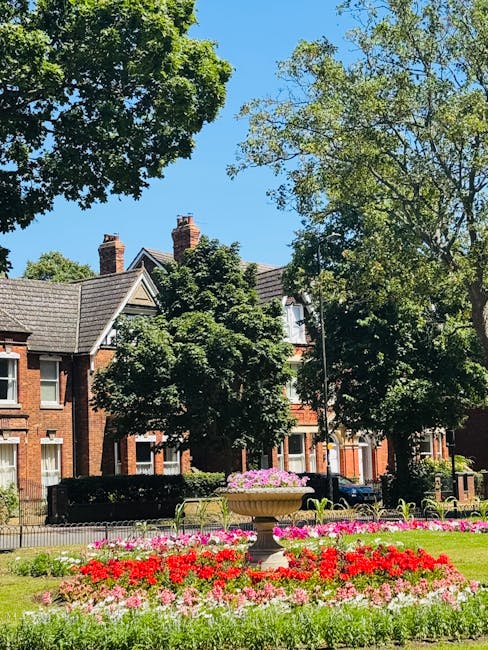
Floral display permits West Kensington council rules
Posted on 25/09/2026
If you are planning a floral display in West Kensington, the rules can feel a bit more complicated than they look at first glance. A few blooms in a shopfront window? Usually simple. A larger pavement display, wedding installation, or event feature outside? That can quickly bring in permits, permissions, and practical checks you do not want to leave until the last minute. This guide to Floral display permits West Kensington council rules explains the basics in plain English, with the kind of detail that helps you avoid delays, awkward conversations, and unnecessary mistakes.
Whether you are a florist, venue manager, wedding planner, or business owner trying to make a frontage look welcoming, the same question tends to come up: what do I need to do before I put flowers in place? Let's walk through it properly.
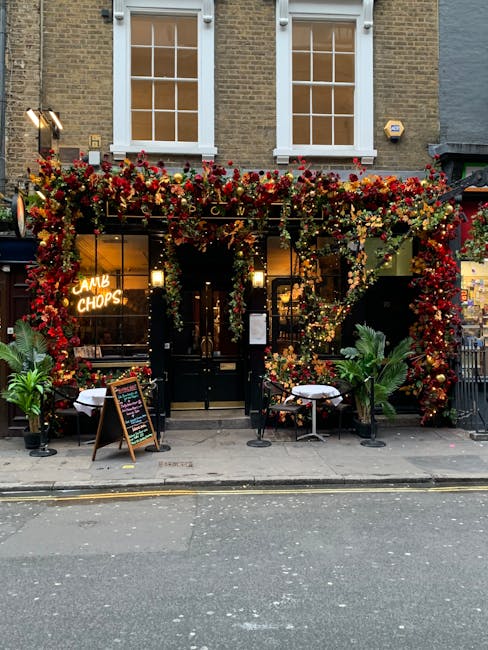
Table of Contents
- Why Floral display permits West Kensington council rules Matters
- How Floral display permits West Kensington council rules Works
- Key Benefits and Practical Advantages
- Who This Is For and When It Makes Sense
- Step-by-Step Guidance
- Expert Tips for Better Results
- Common Mistakes to Avoid
- Tools, Resources and Recommendations
- Law, Compliance, Standards, or Best Practice
- Options, Methods, or Comparison Table
- Case Study or Real-World Example
- Practical Checklist
- Conclusion
- Frequently Asked Questions
Why Floral display permits West Kensington council rules Matters
Floral displays seem harmless, and most of the time they are. But once you move beyond a vase on a table or a bouquet in a private home, the situation changes. In West Kensington, a display may affect the pavement, shop entrance, shared access, visibility, loading space, public safety, or the appearance of a building in a way that matters to the local authority.
That is why council rules matter. They help reduce trip hazards, prevent clutter on public land, keep walkways usable, and make sure businesses and event organisers use space fairly. If a display is temporary, decorative, and entirely private, the process may be straightforward. If it touches a public highway, requires fixing to street furniture, or creates a semi-permanent installation, then permission is more likely to be needed.
To be fair, this is where many people get caught out. A florist or venue may assume the arrangement is "just decoration", but councils often look at the practical effect rather than the creative intent. Does it spill onto the pavement? Could it be blown over in wind? Does it block sight lines? Those are the questions that tend to matter.
Practical takeaway: If your floral display extends beyond private space, treat it as a permission question first and a design question second. That mindset saves time, money, and hassle.
For businesses, the stakes are not just regulatory. A neat, compliant display can improve curb appeal and make a frontage feel polished, seasonal, and welcoming. A poorly planned one can do the opposite. You know the sort of thing: gorgeous flowers, but a wobbly stand and one angry passer-by with a shopping bag snagged on it. Not ideal.
How Floral display permits West Kensington council rules Works
The exact process depends on the nature of the display, where it will sit, and how long it will remain in place. In practical terms, you normally need to think about three layers: whether the display is on private land, whether it affects public space, and whether it changes the building or street in a way that needs formal approval.
1) Private or public?
If your floral arrangement is entirely inside a building, inside a private courtyard, or on land you control without affecting others, permission requirements may be light. Once the display moves outside, especially near pavements, entrances, or shared walkways, the council angle becomes much more important.
2) Temporary or recurring?
A one-off display for a wedding, memorial, or seasonal event is usually assessed differently from a recurring storefront installation. A display that appears every week can attract more scrutiny than something that is clearly short-lived.
3) Decorative or structural?
A simple flower arrangement is one thing. A freestanding arch, floral wall, signage integration, hanging installation, or elaborate street-facing feature is another. The more it behaves like a structure, the more careful you need to be. Weight, wind resistance, fixings, access, and visibility all come into play.
4) Safe and accessible?
Even a beautiful display has to work in real life. People still need to get past it. Wheelchair users, pushchairs, delivery drivers, and pedestrians with limited visibility all need room. If the display narrows the walkway, the council may ask for changes or refuse permission entirely.
In our experience, the best outcome comes when the design brief and the permission check happen at the same time. That way, you are not trying to rescue a lovely idea after it has already been built. Much easier, honestly.
What councils usually look for
- Safe access for pedestrians and customers
- No obstruction to emergency or service access
- Stable installation and suitable fixings
- No damage to public property
- Clear responsibility for maintenance and removal
- Appropriate timing for setup and take-down
If you need flowers for a wider range of occasions while keeping delivery and presentation organised, it can help to review services such as flower delivery in West Kensington or browse a local West Kensington florist that understands event and frontage requirements.
Key Benefits and Practical Advantages
Getting the permission side right is not just about avoiding a complaint. It brings real-world benefits that matter to businesses, event organisers, and families planning something meaningful.
- Fewer delays: You are less likely to face last-minute changes or removal requests.
- Better presentation: A compliant display tends to look more intentional and professional.
- Reduced risk: Good planning lowers the chance of accidents, damage, or public complaints.
- Stronger trust: Customers and guests notice when a venue handles details properly.
- Smoother installation: Teams can work from a clear plan rather than improvising on the day.
There is another upside people sometimes miss: good compliance often improves design decisions. When you know the available footprint, fixing points, and access limits, you can build a better floral concept from the start. Less guesswork. Better flowers. Fewer headaches.
For seasonal campaigns or repeat displays, that consistency becomes especially useful. If you already have reliable ordering and delivery systems in place, linking the display plan to practical services like same-day flower delivery or next-day flower delivery can make refreshes far simpler.
Who This Is For and When It Makes Sense
This topic is relevant to more people than you might think. It is not only for florists, though they are often the ones asked to sort everything out at speed.
Common situations where permits or council checks may matter
- Shopfront floral displays that edge onto the pavement
- Wedding venue entrances with arches, garlands, or aisle features
- Corporate receptions using external planters or branded floral installations
- Memorial or funeral displays placed in visible public-adjacent spaces
- Seasonal decorating for restaurants, hotels, or event spaces
- Pop-up installations for launches, promotions, or community events
If you are a wedding couple, the question is usually simple: can the display stay within the venue boundary and comply with the venue's own rules? If you are a business owner, it becomes more layered. You may need to balance branding, visibility, access, and local permissions. And if you are handling flowers for a memorial, the tone changes again; sensitivity and unobtrusive placement matter just as much as compliance.
Truth be told, the best moment to think about these rules is before anything is ordered. Not after the florist has already started wiring the arch and you are standing there with tape, ribbon, and a slightly worried face.
Step-by-Step Guidance
If you want a clean, sensible process, keep it simple. The steps below work well for most floral display planning in West Kensington.
- Define the display clearly. Write down where it will go, how big it will be, how long it will remain, and whether it touches public space.
- Check land ownership and access. Private land, shared property, and public pavement are not treated the same way.
- Measure the footprint. Make sure the display will not block movement, entrances, bins, service routes, or accessibility space.
- Assess the structure. Decide whether the display is freestanding, fixed, hanging, or attached to a surface.
- Review safety and weather issues. Outdoor flowers, containers, and decorative elements should be stable, secured, and suitable for changing conditions.
- Confirm timing. Think about setup, peak use time, and removal. A display that works at 10 a.m. may not work after dark, in rain, or during a busy delivery window.
- Contact the relevant decision-maker. This may be the council, the property owner, managing agent, or venue team, depending on the location.
- Keep written approval. If permission is granted, keep the details, dates, and conditions in writing so everyone is on the same page.
- Brief your installer. The people fitting the display should know the limits. Small miscommunication, big mess. It happens.
- Inspect after installation. Check stability, access, and appearance once everything is in place.
A neat process like this avoids the classic "we thought it would be fine" problem. That phrase has caused more avoidable trouble than almost any other in event planning.
Expert Tips for Better Results
Good floral displays are part design, part logistics. The design may win hearts, but the logistics keep it standing.
Tip 1: Design for the real environment, not the mood board
A display that looks lovely on paper can fail in a narrow doorway or windy street-facing spot. Look at the actual space at the actual time of day. Morning light, foot traffic, rain, and wind all matter. If possible, visit the site before finalising the design.
Tip 2: Keep access wider than you think you need
People need more room than a quick glance suggests. A display that feels "fine" when the area is empty may feel cramped when pedestrians, delivery trolleys, or mobility devices are moving through.
Tip 3: Choose flowers and containers with maintenance in mind
Some arrangements look beautiful but wilt quickly or shed petals everywhere. If the display will be out for more than a few hours, choose stems and containers that stay tidy. Flower care guidance is genuinely worth reading if you want your display to hold up in real conditions.
Tip 4: Match the display to the tone of the occasion
A wedding installation, a sympathy tribute, and a retail seasonal feature are not the same thing. Each one needs different colours, scale, and handling. For sensitive occasions, understated work often lands better than anything too theatrical.
Tip 5: Build in a removal plan
It sounds obvious, but it is one of the most missed steps. Who takes it down? When? What happens if the weather turns? Who clears the packaging? If these questions are unanswered, you will notice the problem later, usually in the rain.
For more elaborate occasions, browsing dedicated collections can help you think through presentation choices in a structured way. For instance, wedding flowers in West Kensington can provide ideas for formal styling, while funeral flowers is more appropriate for quieter, respectful display planning.
Common Mistakes to Avoid
Most problems come from the same handful of mistakes. Avoid these, and you are already ahead.
- Assuming all floral displays are exempt. Decorative does not automatically mean permission-free.
- Ignoring the pavement line. Even a small overhang can matter if it affects public access.
- Using weak fixings. Pretty is not enough; the display must stay put.
- Forgetting wind and weather. London weather has a sense of humour. Not a kind one.
- Not checking with the venue or building manager. Internal rules can be as important as council rules.
- Overcrowding the space. More flowers are not always better. Sometimes they are just more flowers in the way.
- Leaving approval too late. This is the classic source of rushed decisions and avoidable costs.
- Skipping maintenance. Drooping flowers, spilled water, and broken stems do not create a premium impression.
A small story from the sort of job that sticks with you: a beautifully arranged entrance display once looked perfect during setup, but by lunchtime it had shifted slightly because the stand sat on uneven paving. Nothing dramatic. Just enough to make it look tired and a bit off. The fix was simple, but it took time that could have been saved with a better base check. These little details matter more than people think.
Tools, Resources and Recommendations
You do not need a huge toolkit to handle floral display planning well, but a few items and documents make the process smoother.
- Measuring tape: Essential for checking width, depth, and clear passage space.
- Site photos: Useful for comparing the display plan with the actual setting.
- Simple sketch or floor plan: Helps explain placement, size, and movement flow.
- Installation notes: Keep records of how the display is fixed or secured.
- Removal schedule: A written take-down plan reduces misunderstandings.
- Maintenance checklist: Includes watering, straightening, and waste removal.
- Supplier details: Know who is providing flowers, containers, and any accessories.
It also helps to work with a local florist who understands the rhythm of the area. A nearby shop can respond faster if something needs adjusting. If you are comparing options, you might look at flower shops in West Kensington or review best flower delivery choices for reliability and presentation quality.
For businesses that place floral orders regularly, corporate support can also help keep things organised. A service such as corporate accounts can make repeat ordering and invoicing easier, especially when you are managing multiple sites or frequent refreshes.
Law, Compliance, Standards, or Best Practice
Because this topic can touch public access, safety, and local permissions, it is wise to approach it carefully. The exact legal position depends on the site, the type of display, and any wider property or highway restrictions. That means there is no sensible one-line answer that fits every case.
What you can say with confidence is this: if a floral display affects public land, changes the use of space, or creates anything that could be considered an obstruction, it should be checked before installation. Councils and property owners generally care about access, safety, maintenance, and visual impact. Those themes keep coming up because they are practical, not just bureaucratic.
Best practice usually includes the following:
- Obtain permission before placing anything on or over public space
- Keep emergency and pedestrian access clear
- Use stable, weather-appropriate materials
- Make sure no sharp edges, spills, or unstable elements are left exposed
- Remove the display promptly when the approved period ends
- Keep records of approval, conditions, and any agreed changes
If you are unsure, treat the display as something that needs formal review. That is the safer approach. A quick check now is better than a rushed removal later. And if you are handling a sensitive occasion, extra care is always the right move.
Options, Methods, or Comparison Table
There is more than one way to approach a floral display in West Kensington, and the right choice depends on location, scale, and purpose. Here is a practical comparison.
| Display type | Typical use | Permission risk | Best for |
|---|---|---|---|
| Indoor floral arrangement | Reception desk, table centrepiece, lobby | Low | Private events, hospitality, home use |
| Window display | Shopfront or venue window feature | Low to medium | Retail, promotions, seasonal styling |
| Entrance feature on private land | Arch, planter grouping, decorative stand | Medium | Weddings, launches, special occasions |
| Pavement-edge display | Visible street-facing floral feature | Medium to high | Businesses with frontage access |
| Public-space installation | Large event or branded street display | High | Organised events with formal approval |
As a rule of thumb, the more your display interacts with the public, the more likely you need proper permission and a detailed plan. If you want less risk, keep the display private, compact, and stable. If you want more impact, build a fuller approval path into your timeline. Simple as that, really.
Case Study or Real-World Example
Imagine a small West Kensington cafe preparing for a spring promotion. The owner wants a bright, welcoming entrance with mixed-colour arrangements, a few planters, and a floral frame near the doorway. The first version of the idea looks great in the sketch, but the entrance is narrow and regular foot traffic is heavy at lunchtime. There is also a delivery window to consider.
Instead of placing everything outside, the team trims the concept. One planter stays inside the doorway, one compact arrangement sits in the window, and the external feature is reduced so the path remains clear. The owner also checks the property manager's expectations and keeps the setup temporary. The result? A display that still looks cheerful and seasonal, but without blocking movement or creating unnecessary risk.
What changed was not the creative idea. It was the execution. That is the real lesson.
For a wedding example, think about a small venue in the area that wants a floral welcome point at the entrance. A large arch might be possible, but only if there is enough room for guests, suppliers, and photographs without crowding the doorway. Choosing a design from wedding flowers West Kensington with a compact footprint can be more effective than forcing a grander setup into a tight space.
Practical Checklist
Use this checklist before you order, install, or confirm a display.
- Have I identified exactly where the flowers will go?
- Does the display stay within private space, or does it affect public access?
- Have I checked whether approval is needed from the council, venue, or property owner?
- Will pedestrians still have enough room to pass safely?
- Is the display stable, weather-aware, and suitable for the setting?
- Have I confirmed the setup date, removal date, and responsible person?
- Do I know who will maintain or water the display if needed?
- Have I kept any approval or correspondence in writing?
- Have I thought about accessibility, visibility, and emergency access?
- Is the design still attractive after I remove anything that causes obstruction?
If you can tick all of those off, you are in a much stronger position. It is not glamorous, but it works.
Conclusion
Floral displays can transform a space in seconds. They soften an entrance, bring colour to a street, and set the tone for an event before anyone even steps inside. But with that visual impact comes a need for care, especially when the display touches public space or sits near access routes. Understanding Floral display permits West Kensington council rules helps you create something beautiful without creating avoidable problems.
The best approach is straightforward: define the display clearly, check the space honestly, keep access and safety in mind, and confirm permissions before installation. Do that, and you will save time, protect your reputation, and give the flowers the setting they deserve.
Get a free quote today and see how much you can save.
And if you are still shaping the idea, that is fine too. A good floral plan often starts with one practical question and grows from there.
Frequently Asked Questions
Do I need a permit for every floral display in West Kensington?
No, not every display needs a permit. Small arrangements inside private property are often straightforward. The key question is whether the display affects public space, access, or safety. If it stays entirely within your own area and does not create an obstruction, the process is usually much simpler.
What kind of floral display is most likely to need council approval?
Displays that extend onto pavements, include freestanding structures, hang over public areas, or remain in place for longer periods are more likely to need approval. Bigger installations and anything attached to the street-facing side of a building tend to raise more questions.
Can a shop put flowers outside the entrance without permission?
Sometimes yes, sometimes no. It depends on how much space the display uses, whether it blocks the public, and whether it sits on private or public land. A compact display on private frontage may be fine, but anything close to the pavement should be checked first.
How far in advance should I check floral display rules?
Ideally as early as possible, and certainly before ordering materials or booking installation. If a display needs approval, waiting until the last minute can limit your options and create rushed decisions. A little lead time makes everything easier.
What is the biggest mistake people make with floral display permissions?
The biggest mistake is assuming the display is too small to matter. In practice, even modest setups can cause access issues if they sit in the wrong place. A second common mistake is failing to plan for removal, especially after busy weekends or events.
Are temporary wedding flower displays treated differently from permanent ones?
Yes, usually they are. Temporary displays are often assessed more flexibly, but they still need to be safe and appropriately placed. The venue's own rules may matter as much as any council guidance, so it is sensible to check both.
What should I include when asking about permission?
Be ready to describe the exact location, size, duration, fixings, and purpose of the display. Photos or a simple sketch can help. The clearer your explanation, the easier it is for the relevant person to understand the proposal.
Can weather affect whether a floral display is allowed?
Yes. Outdoor displays need to stay stable in wind and rain, and wet surfaces can change the risk level fast. Even if permission is granted, poor weather can still make a display unsafe. It is worth building that into the plan from the start.
Do floral displays need different rules for memorial or funeral settings?
Often the practical considerations are similar, but sensitivity is higher. Placement, scale, and timing matter a great deal. A respectful display should feel calm and unobtrusive, with enough thought given to access and the wishes of the family or venue.
What if I am not sure whether my display counts as an obstruction?
If you are unsure, step back and look at the display from the point of view of a passer-by. Could it narrow the route, hide a sign, or create a trip hazard? If the answer is maybe, it is better to check before installation rather than after someone complains.
Where can I find flowers that suit a compliant display?
Look for a florist that offers suitable sizes, reliable delivery, and clear product choices. Browsing local collections like best flower delivery West Kensington or seasonal options such as mixed colours can help you match the display to the space without overcomplicating the order.
What should I do if my display has already been challenged?
Respond quickly and calmly. Check the concern, measure the space, and adjust or remove the display if needed. Most issues are easier to solve when handled early. A polite correction usually goes a long way, and it protects the long-term relationship with the venue or local authority.